UNLV ATLAS-1
CubeSat
An open-source 1U CubeSat designed and fabricated by students at the University of Nevada, Las Vegas. Our goal: prove Nevada can reach low-Earth orbit, and inspire the engineers who take the state there next.
A Mission With Momentum
Nevada's aerospace future starts here
UNLV ATLAS-1 is a student-led CubeSat research project building Nevada's first satellite. We have one goal: make aerospace accessible in Nevada. We hope to expand opportunities in Nevada, creating pathways for aerospace education, research, and workforce development across Nevada.
Want to help? Get involved or become a sponsor.
Build. Validate. Fly. Repeat.
An Incremental Path to Orbit
Beginning with the MOSS kit, UNLV ATLAS-1 progresses from a ground-based satellite system to a high altitude balloon mission and ultimately to orbit. By increasing the fidelity of each system over time, this approach lowers the cost barrier to entry and lets team build CubeSat skills at an accessible level. As experience grows, teams can advance to systems with greater fidelity, cost, and complexity.
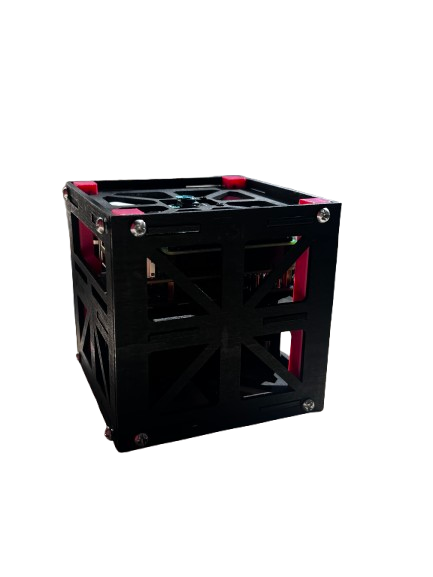
MOSS KIT V1
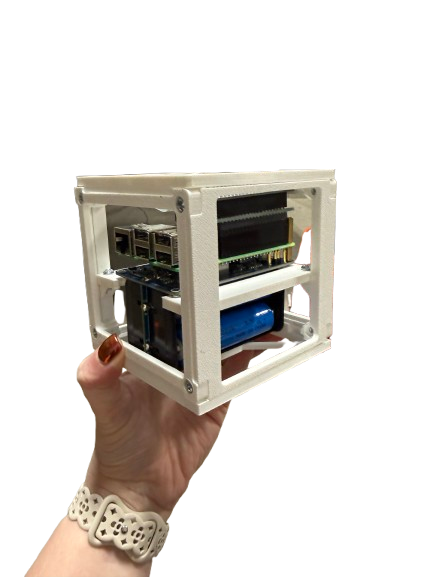
MOSS KIT (HAB Ver.)
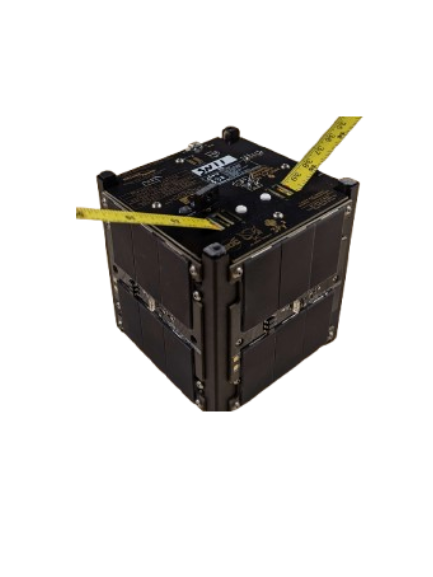
A historic first, and a technical success
In March 2026, near Baker, California, UNLV ATLAS-1 flew Nevada's first high-altitude balloon test of CubeSat components, then recovered the payload intact near Primm, Nevada.
53,000 ft
Telemetry recorded and received live by the ground station.
~80,000 ft
Estimated peak balloon altitude from extrapolated analysis.
Recovered
Payload located and retrieved near Primm, Nevada.
10 months
From project start to making Nevada history, just the beginning.
Our next milestone starts with you
Phase 1 | 2025 - EARLY 2026
Ground Development
Create the Modular Outreach Starter Satellite (MOSS) platform. Develop software, frame, communications, structures, and payload subsystems in-house, then proceed with ground-level system testing and validation.
Phase 2 | SPRING - FALL 2026
HAB Flight Campaign
Refine communications, downlink environmental data, improve reliability, and increase system fidelity while developing skills needed for orbital satellite development, testing, and launch.
Phase 3 | LATE 2026 - 2027
Orbital Preparation
Transition to flight-qualified hardware, including development of the orbital payload. Complete ground-station development and satellite fabrication, then proceed with environmental testing, certification, launch-provider selection, and launch integration.
Phase 4 | PROSPECTIVE 2027
Orbital Mission
Deploy in Low Earth Orbit, collect temperature and radiation data, and compare results with thermal models. Release all findings publicly as an open-source reference.

March 2026 hab launch balloon in flight
Our payload and research
Payload
Turn flight data into better engineering. UNLV ATLAS-1 is designed to measure temperature and radiation in Low Earth orbit. Distributed sensors will reveal thermal gradients across the structure, allowing the team to compare real conditions with analytical heat-transfer models and validate thermal performance predictions.
Research Areas
Data from UNLV ATLAS-1 supports research and student projects across:
- Aerospace engineering and mission operations
- Avionics and communications
- Atmospheric and space environmental characterization
- STEM education and open-source awareness
Build Like Us: MOSSKIT for Students
MOSSKIT is an open-source high-altitude balloon launch kit designed for students and teams wanting to learn space systems engineering. It's the foundation of UNLV ATLAS-1's approach—starting with accessible, ground-based hardware that teaches real mission operations skills before advancing to higher-fidelity systems.
Whether you're building your own satellite, learning about avionics, or exploring space systems, MOSSKIT gives you the tools to get started. All hardware and software are open-source and documented for your next mission.
Meet the Team
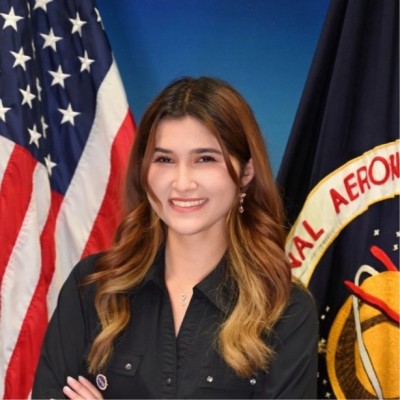
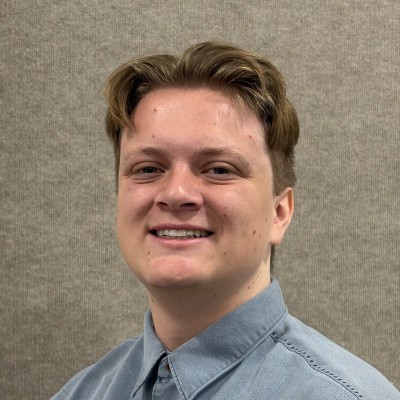
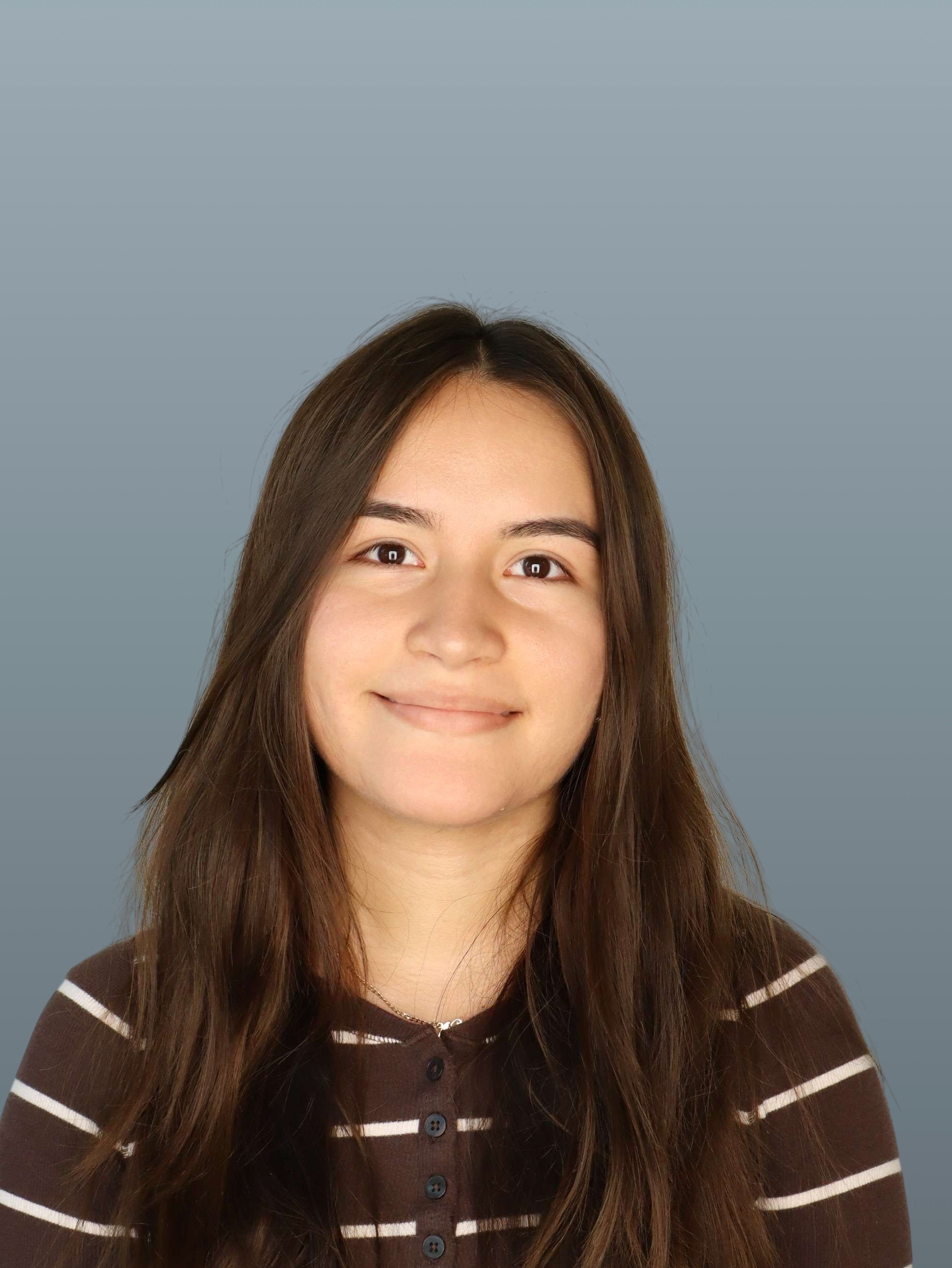
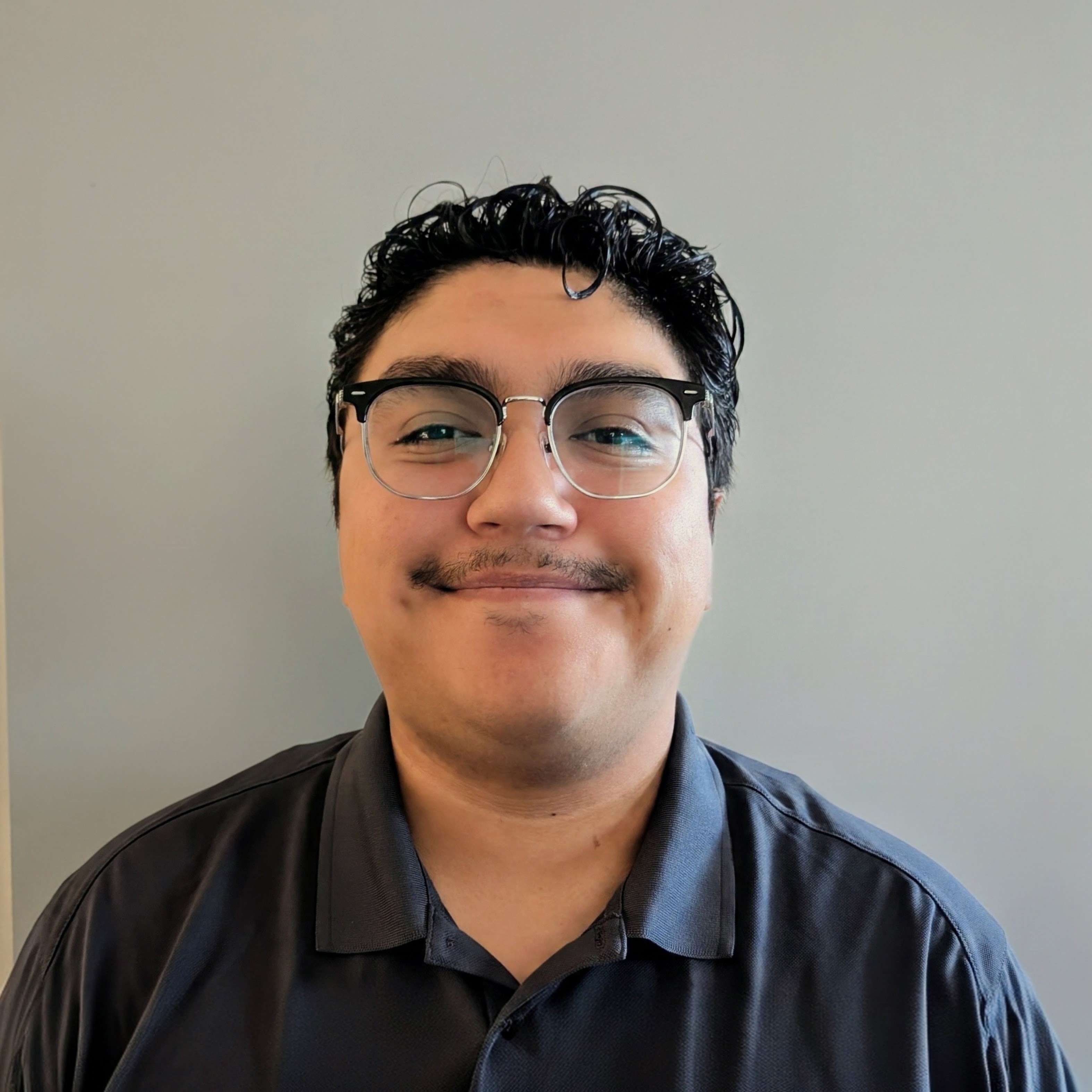
UNLV ATLAS-1 is built by an interdisciplinary student team in the Howard R. Hughes College of Engineering at UNLV, guided by faculty and external partners.

Advisors
Faculty advisors provide technical guidance and integrate UNLV ATLAS-1 with academic programs at UNLV.
- Dr. Matthew Pusko, Assistant Professor in Residence, Engineering, UNLV
- Howard R. Hughes College of Engineering, UNLV
Partners
Industry and community partners support the mission through mentorship, hardware, launch access, and sponsorship.
- Bronco Space Lab
- Dr. Andrew Shapiro
- The Creatorspace
Become a Sponsor
We welcome support in many forms. Sponsors contribute through monetary donations, equipment, facilities, engineering services, launch support, or a combination tailored to you. Click here to support the mission
Mission Supporters
We're grateful to the individuals and organizations who believe in UNLV ATLAS-1 and make this mission possible. Thank you!
Supporters:
- ▪ Richard Smithers
- ▪ Jeffrey Wedding
- ▪ Matthew Pusko
Special Acknowledgement
Bob Earl
Modern Technology Solutions Inc
Get in touch.
For sponsorships, technical collaborations, or media inquiries, reach out to our team.
Primary Contact
Kylee Brahma
UNLV ATLAS-1 CubeSat Project
University of Nevada, Las Vegas
Email: brahma@unlv.nevada.edu
Phone: 725-400-1818
Location: Las Vegas, Nevada, USA
Media & Press
We welcome opportunities to share UNLV ATLAS-1 with students, the community, and the broader space industry.
- Project overviews for news articles or blogs
- Talks for K–12 or university audiences
- Interviews with student team members and advisors
Help launch the next chapter.
UNLV ATLAS-1 has proven technical momentum, student leadership, and a credible path forward. Your support turns a successful near-space campaign into a flight-qualified orbital mission, and keeps that capability in Nevada.
Partner with UNLV ATLAS-1